A PLACE IN THE CITY'S HISTORY
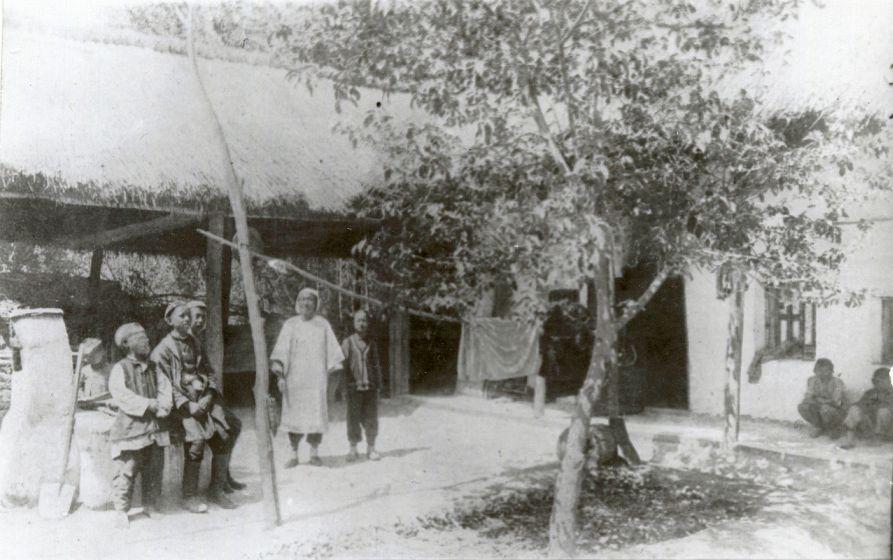
Yard in Dunganovka
Then
Pishpek
Now
Bishkek

Source and rightsАвтор фотографии: Kushal Jangid
A PLACE IN THE CITY'S HISTORY
Yard in Dunganovka
Pishpek
End of the 19th century. In 1882, a large group of Dungan refugees from China arrived in Pishpek. They were accepted into Russian citizenship and settled compactly on the western outskirts of the city of Pishkek, forming the so-called Dungan settlement. Houses built from readily available materials rose within the boundaries of Kazarmennaya, Iskakovskaya, Atbashinskaya and Tashkentskaya. Dungan estates were located here freely, as was always done in Dungan settlements, and all undeveloped space was occupied by fields and vegetable gardens. The Dungans were engaged in arable farming, vegetable gardening and horticulture, maintained taverns, mills, rice mills and butter churns, produced starch and vinegar, and were engaged in carriage and trade. The local population learned from them to carefully cultivate the land and lovingly care for the crops. The culture of agriculture, the layout of plantations, the creation of an irrigation system, the ability to use watering - all this was transferred from the Dungan fields to the lands of the Kyrgyz and Russians. Dungan houses were built with windows facing closed courtyards, tightly fenced with high clay fences. They built their dwellings with raw brick or clay on a wooden frame. There are many rooms inside the house, surrounded by a covered gallery, which can be accessed from the house. The bed in the bedroom is heated. They are used not only for sleeping, but also for eating and sitting. Wealthy Dungans, becoming traders and industrialists, built large houses in the central part of the city.
Frunze
Information not foundA translation for the selected language is not ready yet.
No information found yet
Bishkek
A translation for the selected language is not ready yet.
No information found yet
What changed
No information found yet
Source and rights