A PLACE IN THE CITY'S HISTORY
Fortress
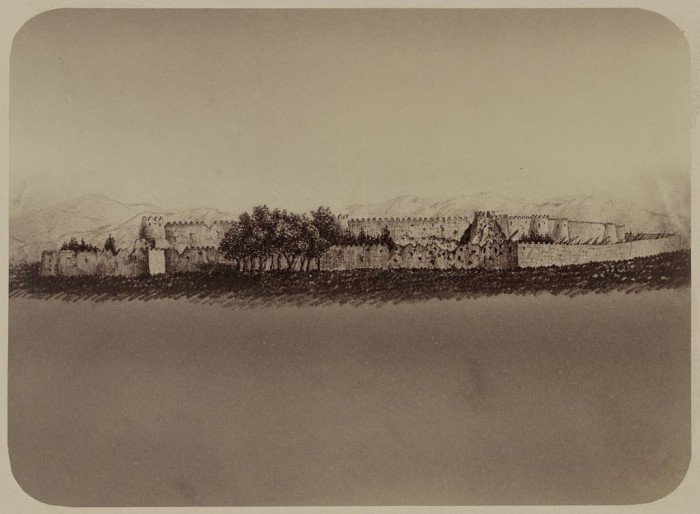
Then
Pishpek
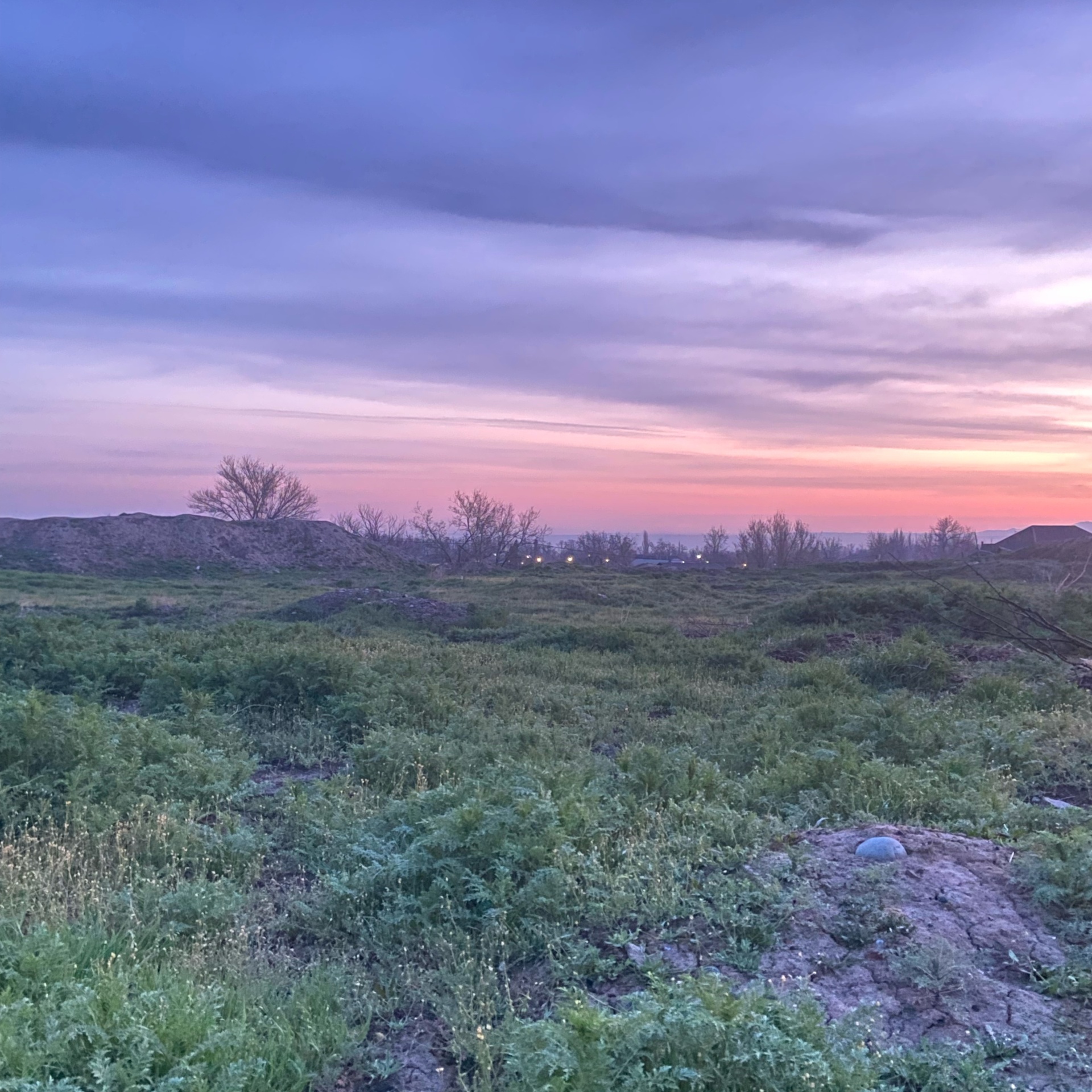
Now
Bishkek
Source and rightsАвтор фотографии: isaac’s .
A PLACE IN THE CITY'S HISTORY
Fortress
Pishpek
Founded in 1825. There is a legend that in the middle of the 18th century, a Kyrgyz fortification was built on the ruins of an ancient settlement, in which in 1766 the Kyrgyz withstood the siege of the Kazakh Sultan Ablai. According to legend, Bishkek, one of the descendants of Joozhalysh from the Solto tribe, was buried here, and therefore the fortification founded in 1825 by the Kokand people received the name of the legendary batyr. There is another opinion that the name of the fortress is associated with the ancient name of the mountain rising above the steppe. “Pishkukh”, or “Happy Mountain”, which has long been revered as a mazar - a holy place. The name of the legendary Kyrgyz batyr Bishkek may have been given in honor of his birth near Mount Pishkukh. Thus, Pishpek is one of the ancient toponyms, and its meaning that we understand is lost in the depths of centuries. The walls of the Kokand adobe fortress rose on a high hill, where the citadel of the medieval city had previously been located. Soldiers' barracks and tax collectors' homes were built. Traders, artisans and farmers settled behind the fortress walls. The fortress was not founded from scratch. Here, at the crossroads of livestock and trade-caravan roads, there were Kyrgyz winter camps and arable lands, irrigated by a system of ditches taking water from the Alamedin and Ala-Archa rivers. In Russian transcription, the fortress was called Pishpek, starting from the first written mention of it in 1847 by the Cossack esaul Abakumov, as a Tashkent mound. In peaceful days, and there were almost no such days in the 19th century, there were few people in the fortress. Here, in addition to a garrison of 500 mercenary cavalrymen - sarbaz, there were tax collectors, traders, artisans and farmers. They settled both in the fortress itself and outside it. Nearby there were vegetable gardens and crops, apricot orchards grew, and cattle grazed. If necessary, the garrison was increased to 10,000 horsemen with several guns carried on camels. The fortress was the administrative, political and trade center of the Kokand Khanate on the Kyrgyz lands, not only in the Chui Valley. When the Kirghiz expelled the Kokands from the Issyk-Kul fortresses of Karakol, Barskaun and Kanur Ulen in 1843, the Pishpek zyaketa collectors also collected tribute in the Eastern Issyk-Kul region.
Frunze
This is all that remains of the Forge settlement and the Pishpek fortress.
Bishkek
A translation for the selected language is not ready yet.
No information found yet
What changed
No information found yet
Source and rights