A PLACE IN THE CITY'S HISTORY
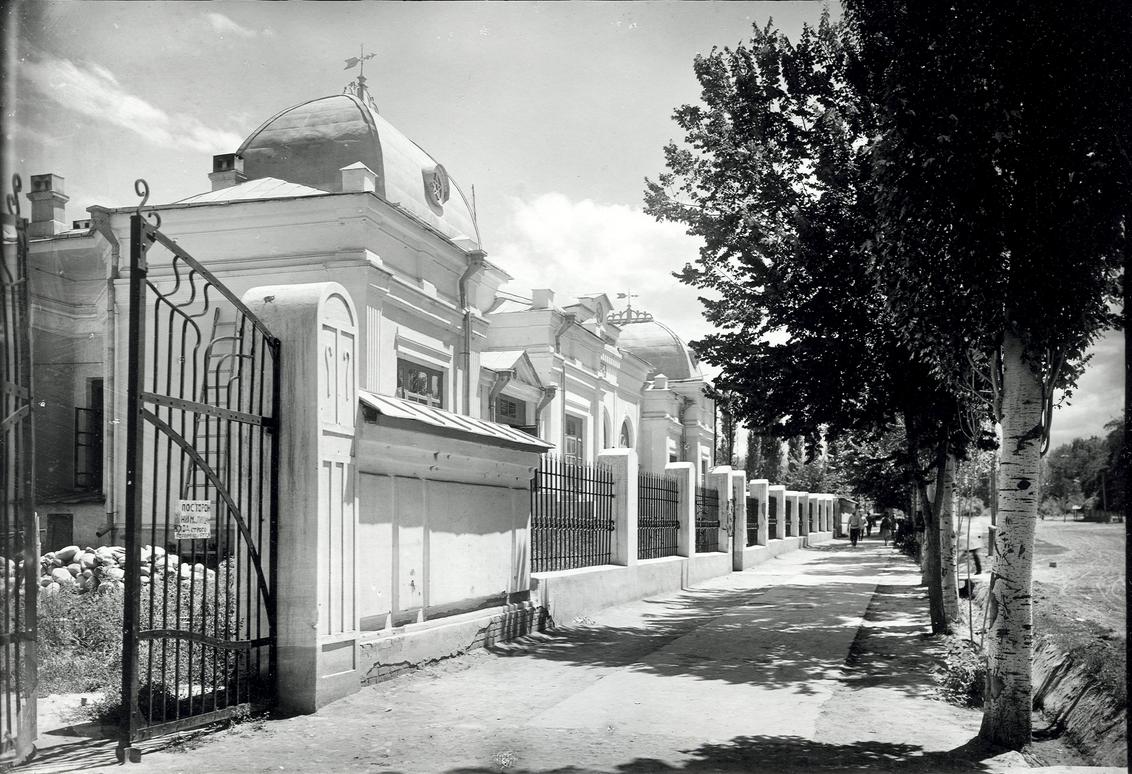
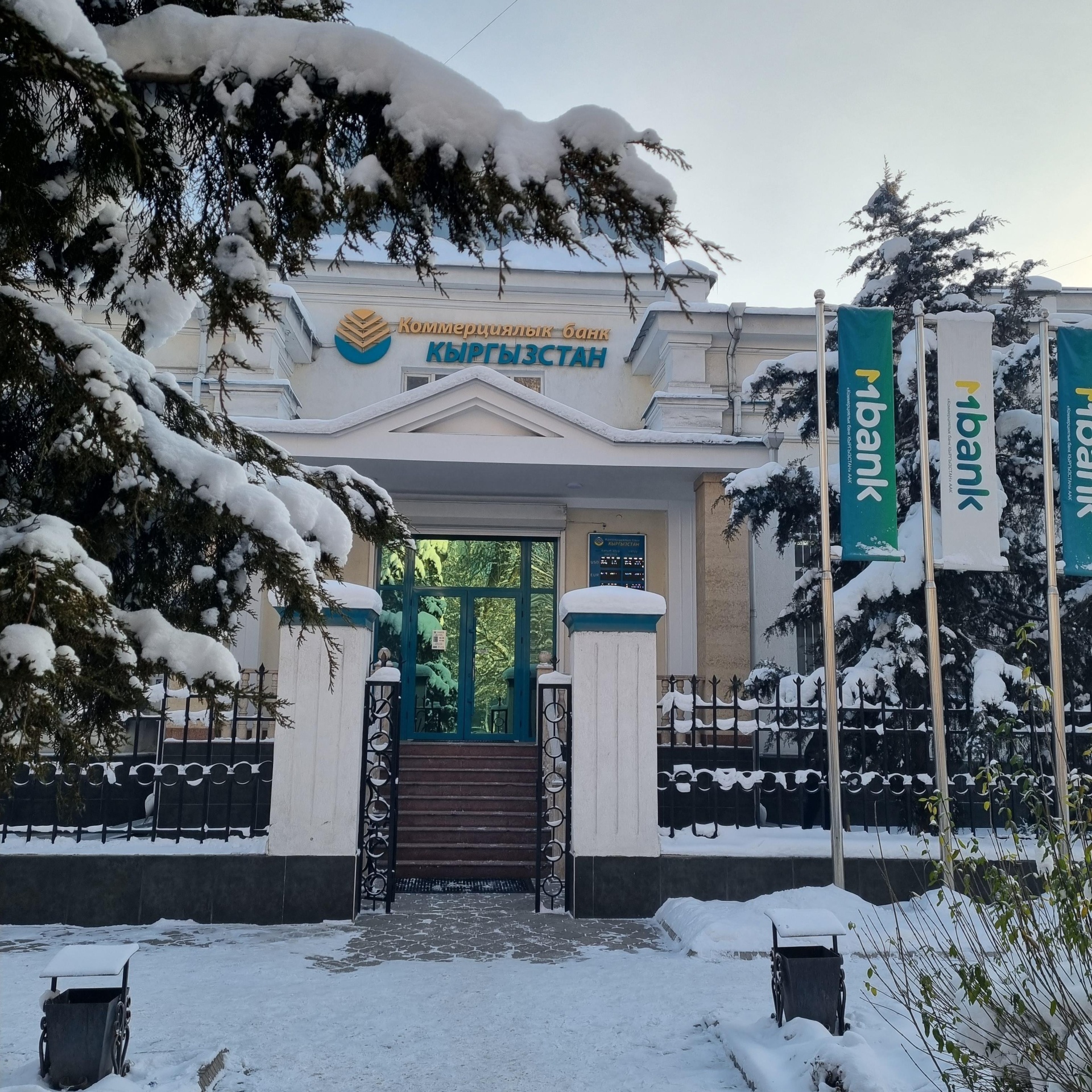
Bank building on Boulevard
Then
Pishpek
Now
Bishkek
Source and rightsАвтор фотографии: Дмитрий Землянский
A PLACE IN THE CITY'S HISTORY
Bank building on Boulevard
Pishpek
on Boulevard The history of the city of Pishpek ends with the construction of several significant buildings in the city designed by architect Andrei Pavlovich Zenkov. Only three of the five buildings built by Zenkov have survived to this day: the Assembly of the People of Kyrgyzstan, the surgical center of the national hospital, and the bank on Erkindyk Avenue. And today, among the modern buildings of the city, they stand out for their unusual appearance and decorate the city. A.P. Zenkov was the first builder to combine national colors in architecture. Lancet and arched openings, domes, jagged cornices - this is the oriental architectural music of the Kyrgyz gumbez, the interlacing of pointed turrets, carved metal decorations, patterned brickwork - this is the song of ancient Russian architecture. And they united in the architect’s creations. Each Zenkov building is “recognizable by carved window frames, openwork iron, doors, roofs, porches, and most importantly, by the free combination of all this.” This is what Yuri Dombrovsky, the author of “Keeper of Antiquities,” wrote about him. Unfortunately, this style did not become the main architectural style of the city, and the city receives a new name and lives in a different historical time.
Frunze
Architect A.P. Zenkov, 1928 The history of the city of Pishpek ends with the construction of several significant buildings in the city designed by architect Andrei Pavlovich Zenkov. Only three of the five buildings built by Zenkov have survived to this day: the Assembly of the People of Kyrgyzstan, the surgical center of the national hospital, and the bank on Erkindyk Avenue. And today, among the modern buildings of the city, they stand out for their unusual appearance and decorate the city. A.P.Zenkov (1863-1936). Photo from 1892 A.P. Zenkov was the first builder to combine national colors in architecture. Lancet and arched openings, domes, jagged cornices - this is the oriental architectural music of the Kyrgyz gumbez, the interlacing of pointed turrets, carved metal decorations, patterned brickwork - this is the song of ancient Russian architecture. And they united in the architect’s creations. Each Zenkov building is “recognizable by carved window frames, openwork iron, doors, roofs, porches, and most importantly, by the free combination of all this.” This is what Yuri Dombrovsky, the author of “Keeper of Antiquities,” wrote about him. Unfortunately, this style did not become the main architectural style of the city, and the city receives a new name and lives in a different historical time. Ascension Cathedral in Verny (Almaty) Zenkov's most significant building is the 54-meter Ascension Cathedral in Almaty (1907) - the second tallest wooden building in the world. The cathedral was built from Tien Shan spruce, the logs were stitched together with iron bolts for strength, and this structure withstood the 10-magnitude earthquake of 1911, which turned the city of Verny into ruins. Zenkov himself, an eyewitness to this disaster, wrote: “With its grandiose height, the cathedral was a flexible structure. The bell tower bent and swayed like the top of a tall tree and worked like a flexible beam.” Only the bent cross on the top of the cathedral reminded of the earthquake it had experienced. And the cathedral “tall, multi-domed, patterned, multi-colored, with cunning cornices, with a corrugated iron roof, with a bell tower and a whole system of stairs, passages and galleries” seemed to continue to hang over the entire city. 3enkovs in Pishpek. Photo from 1925. In 1925-27, Zenkov worked as chief construction engineer in our republic. He is developing a development plan for the city of Frunze and designs for individual administrative buildings. According to his drawings, the round “Workers’ Town” and the residential areas of the Czech cooperative “Intergelpo” rose in our capital. He erected the buildings of the Council of People's Commissars, the state and agricultural banks, the Central Hotel and the surgical building of the hospital.
Bishkek
A translation for the selected language is not ready yet.
No information found yet
What changed
No information found yet
Source and rights